

Screen doors kept opening and slamming. Cars rolled slow past the corner with their windows down. Grown-ups stood under porch lights in coats over their pajamas, talking low and fast, then breaking off when kids came too near. My mother kept stepping outside in her slippers with one hand on the doorframe, listening. Across the street somebody walked back and forth along the chain-link fence behind the school as if a boy might be caught there like a ball in the weeds.
At first, he was only late getting home.
Then he was missing.
By supper there were police cars. By dark there were fathers with flashlights crossing the baseball field in long coats and knit hats, their lights jerking over the grass. You could hear pieces of the search from yard to yard. The creek. The woods behind Acme. Check the alley. Ask the driver again. A man in a van. Somebody said he never got on the bus. Somebody else said they’d checked and he had.
From my room I could see the lights moving. Behind the backstop. In the lot beside the church. Every time the phone rang downstairs my mother answered on the first ring. My father went out twice in his pajama pants and winter coat. Nobody told me to go to bed, and that was the worst part. Bedtime had been pushed aside by something larger.
He was in our grade, quiet, a little apart from the rest of us. The kind of kid teachers liked because he followed directions the first time. If the rest of us talked when we weren’t supposed to, he didn’t. If Mrs. Calhoun changed the seating chart, he noticed. If she said wait, he waited.
At school the next morning everyone had a different version. He’d wandered off. He’d been taken. He’d run away.
By lunch they had the real story.
They found him just after midnight.
He was still on the bus.
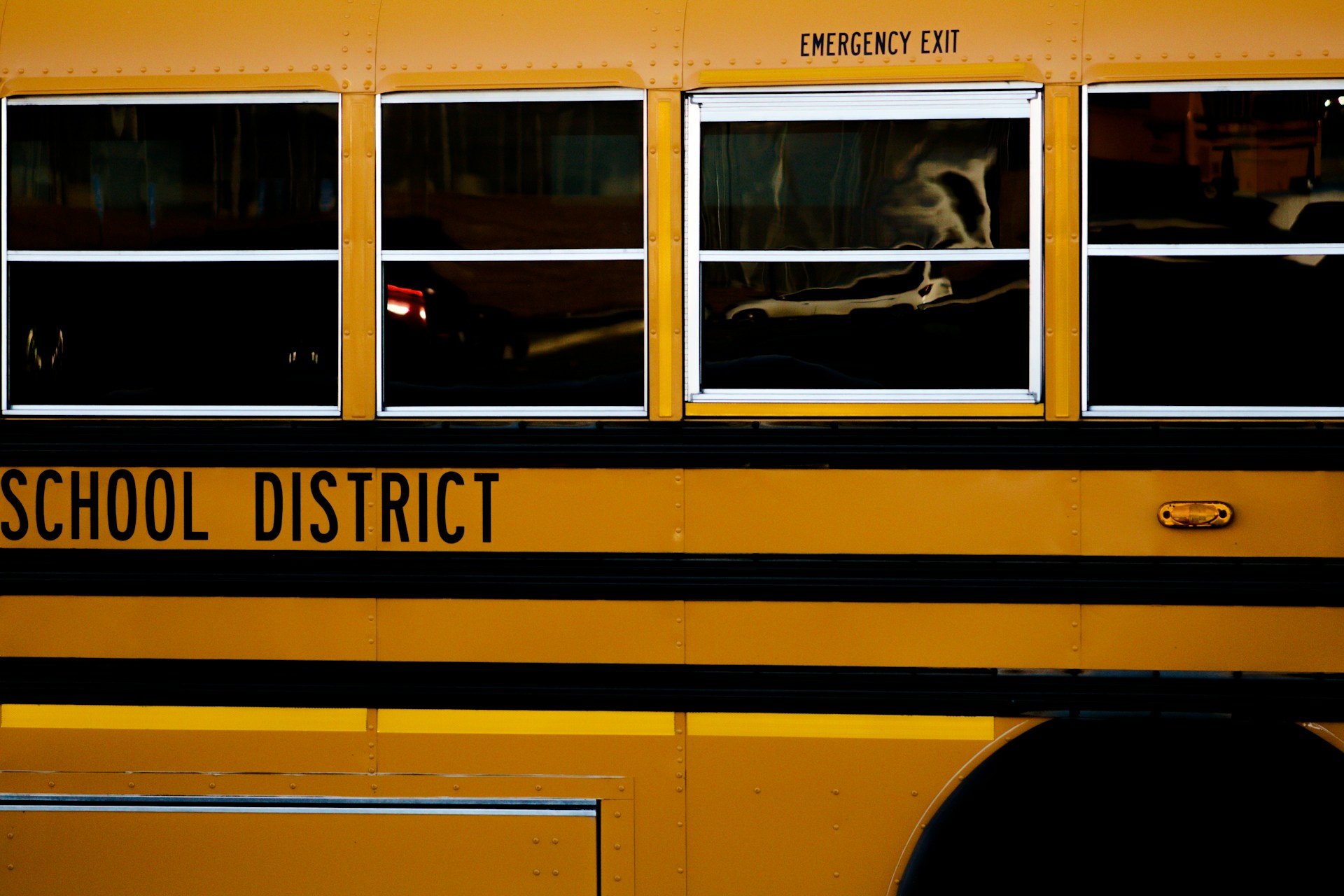
Still in his assigned seat, parked in among all the others in their yellow rows.
The driver had finished the route, pulled into the district lot, shut off the engine, folded the door shut, and gone home. The bus sat there in the cold among a whole field of dark buses, and he was still inside.
The details came to us the way details always do when something bad happens. They showed up at recess, in line for milk, under the monkey bars, traded and corrected and made worse. His backpack was on his lap when they found him. He had crackers in there and didn’t eat them because you weren’t allowed to eat on the bus. He didn’t get up because you weren’t supposed to leave your seat on the bus. He didn’t shout for help because you weren’t allowed to yell on the bus. One boy said his cousin’s mother worked in the district office and when they got there he was sitting straight with his coat zipped all the way to his chin, staring blankly at the seatback in front of him.
He didn’t come back to school.
On Monday our teacher paused at his name during attendance, then kept going. Later, when somebody asked, she said only that he would not be returning. That was all. His desk stayed there another week with a worksheet in the cubby and a blue jacket hooked over the back.
After that people remembered things about him they hadn’t said before. How he cried when the schedule changed. How he became agitated when the classroom got too loud. How he always sat in the same seat at lunch and looked sick if somebody else got there first. The kind of things that made grown-ups say he was particular, and kids say he was weird.
For a while we still said his name.
Not all the time. Just in the way kids do when they want to get near a thing without touching it.
You think he was crying? You think he fell asleep? You think he had to pee?
Nobody knew.
Then one day at lunch somebody asked what ever happened to him.
A boy across the table shrugged and said, “He’s still on the bus.”
Everybody laughed.
One girl laughed and then looked down at her tray. Somebody said it again. Somebody else said, “Shut up.” I laughed too.
After that, the phrase had its own life.
At first, it meant only him. If somebody asked where he went, somebody else would say he was still on the bus. Then it widened. A kid stuck on a math problem was still on the bus. Somebody frozen between bases in kickball was on the bus. If you kept saying you were going to do something and never did it, you were still on the bus.
Sometimes it landed and sometimes it didn’t. Every so often someone would say it and there’d be a little snag in the air after, just for a second. Then somebody would laugh too hard or throw a French fry or shove your shoulder and everything moved again.
By middle school kids were saying it who’d never been in class with him. They didn’t know the story. Maybe just enough of it to hear the dark inside the joke. His name faded. The phrase didn’t.
I don’t say it anymore.
I am sitting in my car outside a house I need to go into. The porch light is on. A television flickers blue in one of the front windows. I have been here long enough for the engine to tick after I shut it off.
Inside, someone crosses the room and disappears.
Beyond the windshield there is only the dark and my reflection laid faintly over it.
And then I see him again. His coat zipped to the chin, backpack on his lap, staring out into the dark, waiting for someone to tell him it is time to move.

