

THE TOUGHEST KID IN IRON LAKE
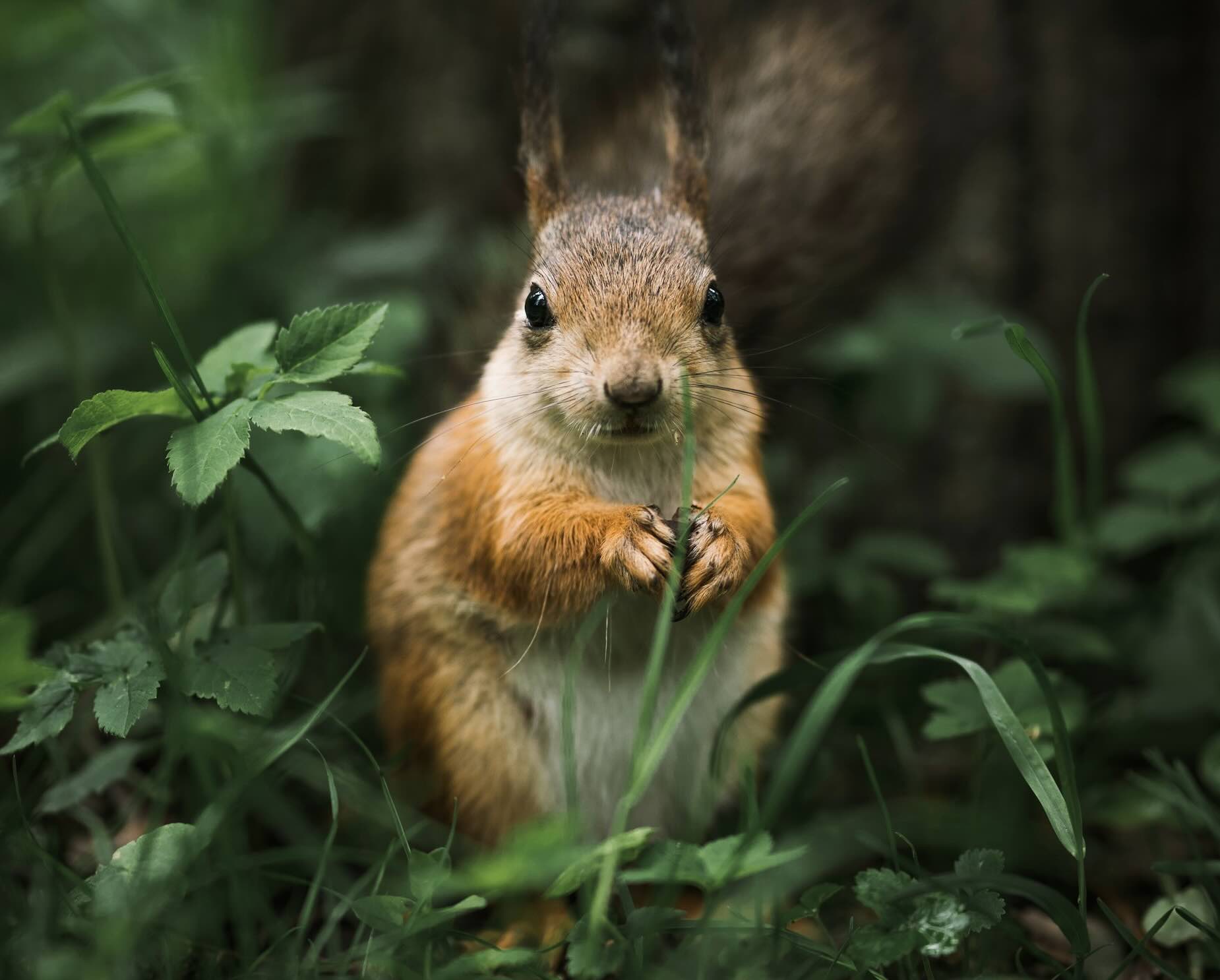
The squirrel was screaming when Hawk caught it—bare-handed, mid-leap.
I don’t remember teaching him that, but then again, I don’t remember teaching him most of his mistakes.
He carried the thing outside, scolded it for poor choices, set it under the cedar, and said, “Buffalo.”
Everyone in Iron Lake knows the toughest kid in town is six, brown as a Coppertone baby with lake-blue eyes and hair the color of trouble. He’s my middle son—built from spare lightning and bad ideas that somehow work. Left-handed, backward-loop writer, permanent optimist. Wherever he goes, he makes a friend.
On the football field he yells “BUFFALO!” like someone shouting fire after pulling an alarm.
Sometimes he yells it when he farts—same grin, same conviction.
Consistency is key.
After every play: “Did you see that, Dad? Was that impressive? I think it was impressive.”
He’s not wrong.
He says it all the time—“Brothers stick together.”
Usually right before someone bleeds.
If you mess with his brother, Hawk is already swinging.
He doesn’t win many of those fights, but his brother does, and that seems to count the same.
He’s quick with a joke. “What do you do with an elephant that has three balls?” he’ll ask, then pause for the groans. “Walk it and pitch to the rhino.”
He laughs so hard he falls off the porch.
When he isn’t colliding with something, he’s singing—grocery aisles, parking lots, church steps—half the time making up the words. He joined the Rag-Tag Choir mostly because he liked the name.
At home he builds Lego forts big enough that action figures need zoning permits.
The scars tell their own gospel. He tripped once and planted his hand on the fireplace tile, watching a blister rise like a moon. “Guess I’m part dragon now,” he said, admiring it. Two weeks later he fell off the back of a truck and came home with six staples in his scalp—a zipper God forgot to close. He slept fine that night; I didn’t.
And then there was the turkey. He spotted it on the shoulder, jumped out, and chased it a quarter mile. Caught it. Ran the quarter mile back with the turkey chasing him this time. He laughed when it bit him, which scared me more than the blood did—it meant he liked the danger.
Told everyone later he “almost had it trained.”
Some nights I look at him and think, I’m not teaching this kid anything—he’s just learning me, mistake by mistake.
Some nights I rehearse what I’ll say when the world finally asks him to quiet down.
I never get past the first word.
He’s tough, yes—but not the kind that makes noise. He’s the kind that keeps getting up, keeps singing.
I used to think toughness was armor.
Now I think it’s trust—running straight at the world believing it might love you back.
Sometimes, when he yells “Buffalo,” I picture him older—same joy, same shout—and I pray the world remembers it’s still a song before someone mistakes it for a warning. Because he’s Native, but he looks like a postcard: blonde hair, brown skin, blue eyes that don’t apologize. One day the light might shift, and someone will call him the wrong kind of wild.
Iron Lake writes part of his story. Even the lake here never sits still; wind scuffs it raw and shiny, like it’s trying to keep up with him. The wind off the water smells like iron before rain; the gravel road will skin your knees just for fun. The mill hums all night like a tired heart. Around here, you learn early that weather and luck don’t ask permission. Maybe that’s why Hawk fits. This town raised him as much as I did, a place where people say good morning like it’s a team sport, where toughness means showing up even when the clouds bite.
He’s six and already rewriting the rules. When his brother wakes from a nightmare, Hawk climbs into the bunk and says, “It’s okay to be scared. Just breathe like Dad does before he drives.” He learns the hard way, then hands the lesson off like a sandwich: here, I made this—it helps.
At night, when the house goes still, I check on the boys. Hawk sleeps sideways, an alphabet letter fallen out of the word. Band-Aids on his knees, marker on his fingers, some new bruise I can’t place. He looks like the aftermath of a parade.
Folks still call him the toughest kid in Iron Lake—and sometimes I believe it.
I laugh, breathe the way he taught his brother—steady in, steady out—and wait for the next Buffalo to shake the quiet.
Outside, the mill hums and the wind tastes like iron before rain.
The whole town holds its breath, listening—not for what he’ll say next, but for what he’ll become when he stops asking if we saw.
THE GREAT DAY SQUAD
We had a system. Thermos, seat belts, iPads, ignition, call Pops. For ten years I’d talked to my dad on that drive, just him and me with coffee between us and thirty minutes of road to wake up. But when the boys started coming along, everything changed. The moment he picked up, all three of them shouted in unison, “Great Day Squad!”—and he shouted it right back. Same words, every morning, like a password that opened the day.
It steadied the mornings. It steadied me.
Before she went to rehab, things had turned rough. Bills piled up, tempers frayed, and her drinking filled the house with noise and worry. There were nights of crying, shouting, and silence that scared the boys. When she left, I didn’t feel relief exactly, but the quiet was steady for the first time in months—and I hated myself a little for that.
My wife had gone to rehab, though the boys never heard that word. For them, it was “sleep-away camp,” the kind of adventure where Mom got letters and we counted the days until pickup. They weren’t old enough to carry the weight of what it really was, and I wasn’t about to make them try. My job was to keep the air light, the schedule steady, the mornings predictable. That’s how the Great Day Squad started—our own mission to hold the line until she came home.
We had rules. Everyone up at 4:45. One person packed breakfast, one handled gear, one checked for shoes. The shoes, somehow, were always missing. How three kids could lose six shoes every morning became the daily mystery, solved only by running late. We slept in the same room, so no one woke up alone, and every night ended with stories until my voice gave out. Then the alarm would buzz, and we’d do it all again. “Great Day Squad,” I’d whisper before they stirred. “Great Day Squad,” they’d echo, and the day would begin already half-won.
We ate well, worked hard, and stayed close. There wasn’t much choice about that last part—we were together every minute. The boys learned how to help at my job, carrying small loads, taking their lessons on their iPads between stops. At least once a week we’d sound an alarm and turn the house upside down looking for the missing one, cheering when it finally buzzed under a seat in the truck or beneath a jacket on the couch. They made a game of everything, giving themselves ranks and call signs. They’d salute each other with breakfast bars. There were no grades, only promotions in laughter.
Every morning, Pops was waiting. The call was sacred, even when I was running late. If I didn’t dial by 5:10, he’d ring me instead. The boys loved that part—the phone buzzing in the cup holder, Pops’ voice booming through the cab before I could say hello. “Great Day Squad, what’s your status?” he’d ask, and they’d shout back their report: present, hungry, operational.
We had our bad days, sure. Mornings when one of them forgets a shoe, or I’d spill coffee down my sleeve, or someone’s iPad was left behind. But we never let the day start without the call, without the phrase. It was the rope we held onto.
When their mom finally came home, thinner but smiling, the Great Day Squad met her on the porch like a returning general. She didn’t need to ask what we’d been doing. She could see it in the routine—the breakfast bowls already washed, the truck still warm, the boys lined up in formation, waiting to shout the words that had carried us through.
“Great Day Squad,” they said.
She said it back.
And just like that, we were all home.
Sometimes I think about those mornings and realize they were never about making every day great. They were about being together, holding each other steady until the light came back. The shoes still go missing, the iPads still vanish under the couch or a jacket, and Pops still calls to check in. But the four of us—five again now—still say it sometimes, half a joke, half a prayer: Great Day Squad. And every time, it still works.

