

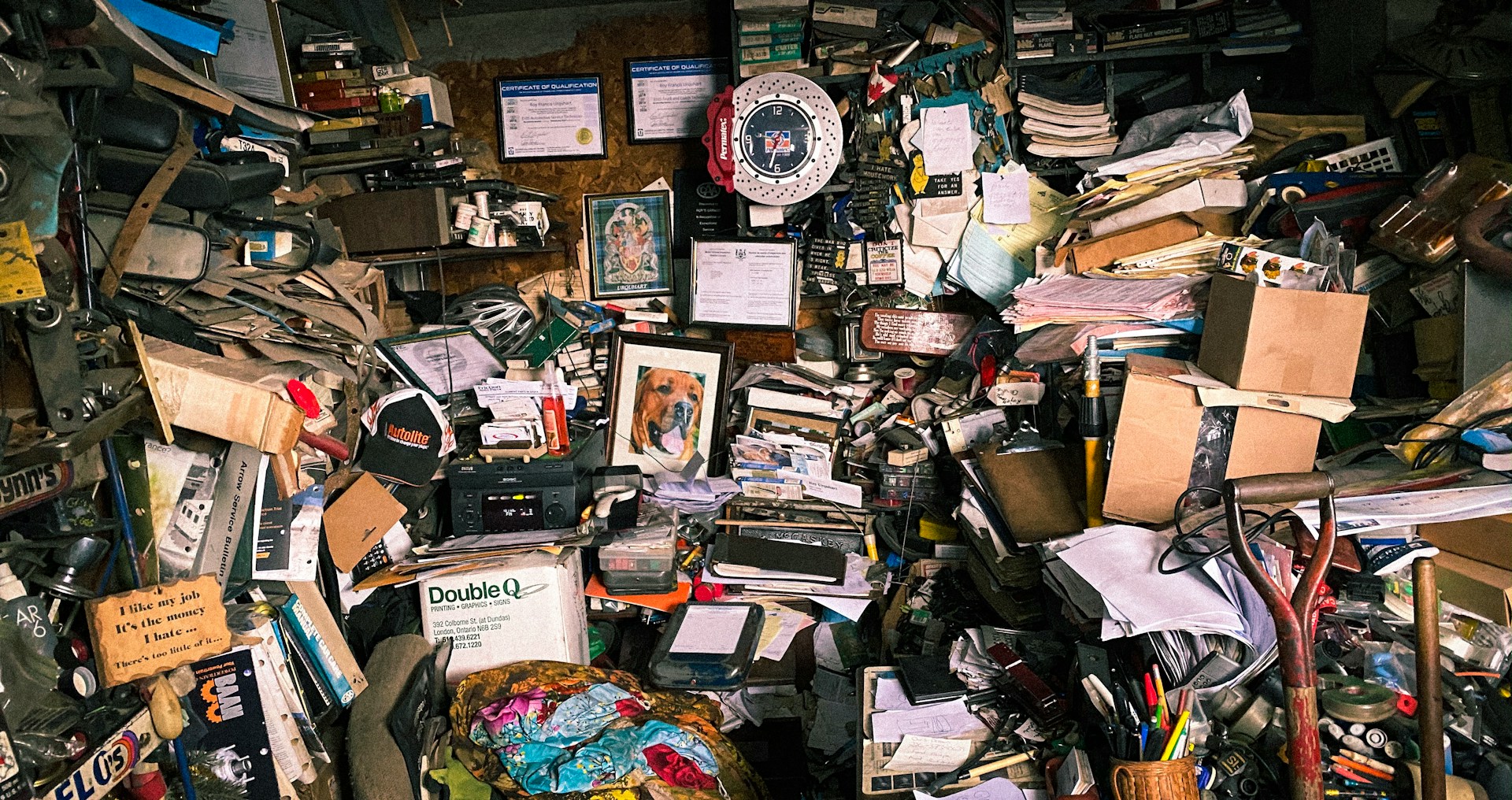
Objects as introduction
Provenance is integral to understanding the purpose of an object. A perfect object in pristine condition torn from its origins ceases to have cultural or scientific value. This is the predominant loss in larceny of objects, including those that have been recovered: once the tag is gone, they are intellectually worthless.
Objects as consumption
A list of objects Vincent brought me from Italy, not thirty days after we met:
chocolate (eaten)
pipe tobacco (smoked. I still have the tin. I use it to store tiny sticky-notes that smell of afternoon.)
lava rocks (inserted into mouth. Some joke about the hand delivery of objects that should be caressed by my tongue. Later I tucked my head underneath the dashboard of his car and vomited into a plastic bag. Later we will joke he was trying to poison me. Later I will place them on my windowsill. They sit there still, in every place I lived since I lived with him.)
Stinky the stuffed skunk (He kept after the breakup. Gone forever.)
Objects as expression
As Tiya Miles writes in All That She Carried, “The physical traces left behind therefore allow us to glimpse what our forebears found worthy of making and keeping, and what, by implication, they held dear.” We offer objects significance with our touch, in turn framing our lives with bibelots and floundering fragments of self, a cacophony of objects that tell us not only what we want but who we are.
What is more singularly human than to adorn our lives with objects. Objects that accompany us to a time bastardized by memory, that remind us in our isolation of people we can no longer hold. That split us open at the hinges and leave us bare to the world. Upon their abandonment to thrift shops, donation bins, the borderlands of highways and endless expanses of landfills, we die and leave behind a revelation of garbage that is all but worthless less the people who cried over it.
Objects as presence
I drove three hours to Vincent’s house to transport his dogs to foster care. I can tell he had not been dead long because his LEGO collection, the one I was forbidden from playing with, was dust-free. Last time its place of honor did not include so many liquor bottles, though it must say something that they still have liquor in them. I pilfer a book from his shelf without asking. The Goldfinch by Donna Tartt. I remember telling him to bring it to rehab. We could talk about it when he got out. I open it and although it would have been appropriate to fall apart at page 757, (“If you care for a thing enough, it takes on a life of its own, doesn’t it? And isn’t the whole point of things–beautiful things–that they connect you to some larger beauty?”) instead what I find inside is a slip of paper printed with quotations from the Pocket Sponsor.
Peet and Peter and Kaitlyn clear the place out. I ask for a pair of cufflinks; the board I painted with “I love you” on one side and “You’re dumb” on the other; the Violent Femmes shirt we got signed not by Gordon but by the drummer, ol’ what’s-his-name.
They find none of these objects but they bring me his leather hat.
Objects as possession
An inventory of the ways Vincent taught me to be a man:
How to wear cufflinks.
How to deep fry food in heavy cast iron.
How to leave the room without hesitation when a friend’s name lights up your phone.
How to mock people who steal from you, while at the same time offering forgiveness.
How to interject when a coworker makes a deprecating joke about sex workers, even if that coworker is technically your boss.
How to photograph your genitalia, exquisitely.
Objects as purpose
The shift from purely utilitarian objects to objects that are both functional and decorative demonstrates an excess of resources, a possession of expendable material and surplus time. What a life of leisure to surround ourselves with objects that serve a range of purpose, from “I need this jug to carry water” all the way to “without this hat I am afraid I would forget how he smelled.”
Objects as tragedy
I progress to wearing the hat without crying, and so I progress to wearing the hat out of the house. It will never be the hat my dead ex gave me because it is my dead ex’s hat.
Objects as language
Though many species communicate, a single species uses language. The difference between communication and language is described by Cormac McCarthy in his 2017 essay The Kekulé Problem as the idea “that one thing can be another thing.” Language is not merely descriptive; it is representational. The word exists as an attempt to distill our perception and all its deeper understandings into something palatable to those around us.
Objects as theft
Years of leather molding itself to his skull resulted in this: a hat that fits my head as if it belongs to me. His deathbed washed of fentanyl but what could strip his hat of burned wood bistre, the pine tar perfume inoculated in my nostrils from days spent reeking of scuffed cotton jeans and tobacco musk, caught in hair I cradled against my chest, swept from my face, picked out of every midnight meal shared by lamplight on the back porch, warm breeze and cicada serenade. This morning I buried my face into his hat, drew up all it contains and found it smells only of me. Salt, wet leaves, and dust floating above the spines of closed books.
When I say theft, this is what I mean.
Works Cited
McCarthy, Cormac. “The Kekulé Problem.” Nautilas, 17 April 2017.
Miles, Tiya. All That She Carried: The Journey of Ashley’s Sack, a Black Family Keepsake. Random House, 2021.
Tartt, Donna. The Goldfinch. Little Brown and Company, 2013.

