

Mr. No Good
– For Shel Silverstein
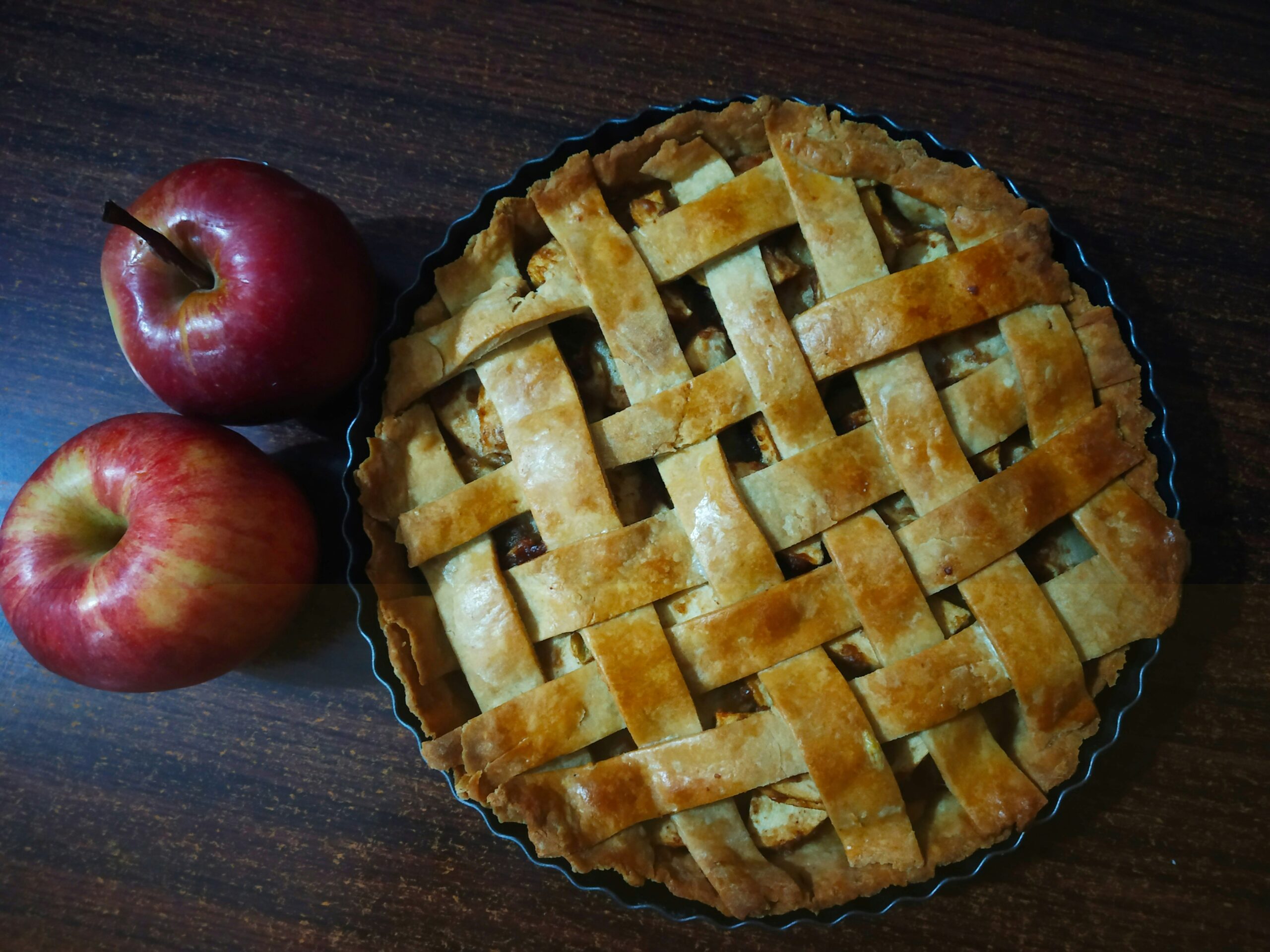
My momma always told me, “Son,”—that’s how I knew she was talkin’ to me. She’d say, “Son, you ain’t no good.” Just like that. No sugar, no salt—but somehow, it was almost as sweet as warm honey apple pie, fresh from the oven. She’d tell me, “Now, it ain’t your fault. See, your daddy was no good either.”
Now, that part, I ain’t never quite understood. So I’d ask her, “Momma, why’ja be with daddy if he ain’t no good?”
You know what she’d do?
She’d reach right on over and slap me—hard as a thunderclap, sure as the sky’s blue and you can buy a sweet sugar lemon tea from Mrs. Penny down the road.
“Don’t be askin’ me none of ’em questions. That man was no good, and neither are you. Ain’t no sense between them ears.” She rocked back and forth on the creaky porch swing, the wood groanin’ beneath her like it shared her stubborn weight. The summer air was thick and heavy, smelling faintly of cut grass and sweet jasmine. After a long pause—like she’d just cracked the code to life itself—she’d say, “Now, there ain’t no fixin’ a light that don’t work. But what you gotta do is find what you can do. And do it. Do it good, and do it well.”
Me? I ain’t never been good at much. Tried bein’ a lawyer once, but I don’t know no laws—felt like tryin’ to catch smoke with my bare hands. Had a decent shot at bein’ a doctor too—until I found out you need some fancy license and a pile of degrees that smelled like old books and stale coffee. What I was good at? Fightin’. Not the kind that’s fun or games. No, I grew up mean—had to. I was the kid always gettin’ picked on, shoved around, knocked down like a rag doll. So I became the one doin’ the pickin’ instead. Had to get tough, had to get fast.
See, I wasn’t born strong, but I learned quick. I learned that sometimes, the only way to stand tall was to throw the first punch. And I learned that ain’t no accident.
They named me Amy.
There was this one fight—the fight to see who’d be chap. I was out, takin’ in the locals, laughin’ and jawin’ with my fans, when I spotted a man. Strange-lookin’ fella—looked like me, only older, his face weathered by time and trouble like cracked leather. Something stirred deep inside me, so I walked right up to him and tipped my hat.
“Excuse me, sir,” I said, careful not to add any salt to my voice. “Would you by chance be my daddy?”
His face froze—pure horror spreading like a shadow across his features. But then, after takin’ me in, his expression softened, a slow smile creeping up his lips, tears pooling in his eyes. With a heavy pride he said, “Why, I think I am.”
We stood there, both eyes glassy. Then he stepped forward—and I punched him square in the jaw. The sharp crack echoed in the air. He staggered back, but threw a punch right after. My nose exploded with heat as his fist connected, but I drove a kick into his groin.
“You son of a—” he started, but I cut him off with a sharp slap across the ear.
“Yes, you are,” I said, spitting salt right in his face. The sting made his eyes water. He swayed, then lunged at me with a knife.
We tussled, fussed, and wrestled on the floor. The knife was dull, but it still left a sting—like biting into a lemon that’s just a little too sour. The owner didn’t wait around; he called in two big guys who looked like they bench-pressed tractors. Their boots thudded heavy against the floor, and the air thickened with sweat and menace. They roughed us up good before tossing us out like yesterday’s trash.
He spat thick and slow on the ground, then looked me dead in the eye and grinned.
“You my boy alright.”
I wiped the dust off my shirt, tasted the grit in my mouth, and said, “I got one question for ya….”
“Why’d you leave? I know you needed a pa, but I was no good for ya.” His voice was syrupy, like honey soaked in lemon—sweet, but sharp.
“Nah, don’t care ‘bout dat. But I gotta know—why’d you name me Amy? That ain’t no tough name.”
He paused, like he was thinking real hard, maybe trying to figure out if he should’ve gone with “Spike” or “Crusher.” Then he said, “Son,”—that’s how I knew he was talkin’ to me—“Son, I ain’t no good. Left my seed in a thousand places. I knew I wouldn’t be ‘round to raise you. So I named you Amy. Figured you’d have to grow up fast, tough as nails, and maybe, just maybe, surprise me.”
That part, I got. I looked him dead in the eye, licked my lips, and said, “Well, you just ain’t no damn good.”
The Good Stuff
Put it on the record: I hate this place. I’m here five days a week and still don’t know why. Something in the air—stale like old bread, tinged with mildew and regret—keeps calling me back. And like a fool, I answer.
This place makes people talk. Makes them friendly. Something in the wood paneling or the flickering lights loosens their tongues. And for whatever reason, they always bring their problems to me.
“You wouldn’t believe the week I had,” one of them will sigh, all melodrama and stage tears.
“My cat just died,” another moans—like I’m supposed to light a candle.
As if I cared. But Mama raised me to be a gentleman. So I smile, nod, pretend to give a damn. We share a drink—doctor’s medicine. Liquid courage to forget, to laugh, to cry. To make the woman you’d never ask seem like maybe she’d say yes.
I digress.
Here comes another lost soul into this stale little dive, dragging the weight of the world behind him. He’s got that look—woe wrapped in weariness—as he shuffles to the bar.
“Give me a whiskey,” he says. Voice dry, rough. Gravel on pavement.
I feign disinterest as I size him up. Ha. He’ll be putty in my hands soon enough.
“Whiskey? No problem, bud. Everything okay?” Just small talk. I don’t care how his day’s going—but they tip better when you fake it.
“Okay? Okay?” he laughs. “Yeah, sure. Me and my wife are about to get a divorce, but yeah—everything’s okay.”
He slumps, unraveling right there on the stool.
I missed half of what he said. The look on his face makes me wish I’d been listening more closely. But hey, that’s not in the job description.
So I give him the smile. The one that says, Everything’s gonna be alright, pal. I think he bought it.
I reach down smooth as always, aiming for the bottle of Jack—but come up with a cold carton of milk instead.
Crap.
He’s staring. I’m staring back. That special kind of awkward where something’s wrong and we both know it.
His stare says, Did you just mess up? Mine says, Maybe I did. Or maybe this is part of the show. I grab a shot glass without breaking eye contact. Real slow. Then pour him a neat, steady shot of milk.
“Here you go, bud.”
He blinks. “The… what’s this?” Suspicion creeps in. “Look, if this is some kind of joke, I’m not in the mood. I just told you—me and my wife had a huge fight. I just want to get drunk and forget as much as I can before I go back.”
I give him my best used-car-salesman smile—plastic, and gleaming.
“Well, here’s the deal,” I say. “The milk? Five bucks. But the advice I’m about to give you? That’s free. I’m going to tell you how to fix your marriage.”
He blinks, stunned—then downs the shot.
“So, what happened? You cheat on her?”
“No!” His face twists—was it the milk?
“She cheat on you?”
“No!” I didn’t know a face could get that red without bursting.
“Okay, you kill her cat?”
“What?” Getting warmer.
“Forget the kid at school again? Tenth time’s the charm?”
“What? No. We don’t have kids.”
Bingo. Cracking this case wide open.
“Alright, alright—no need to get testy.” I pour him another. Maybe too generous. Hell, I make it a double.
“So in other words, you had a disagreement.”
He exhales. “Yeah…”
“Life or death?”
“Neither.” He downs the shot. No flinch. Guess the milk’s fresh.
“Then why are you here?”
He leans in. “What do you mean, why am I here?”
“I’m no expert,” I say, “but here’s the fix. Get in your car, go to the store, buy some roses. Then go home—and apologize.”
I pour him another. He looks like he needs it.
“You have to mean it… or, well, you don’t. As long as she thinks you do—that’s what counts.”
He slams it. “Why am I apologizing if it’s not my fault?”
“Doesn’t matter.”
“What? Wait—when does it start mattering whose fault it is?”
“That’s the trick,” I say, sliding the glass just out of reach. “It never does. You’re always at fault. Comes with the territory. Didn’t you read the contract?”
He falters. “I… okay… then why? What’s the point?”
I lean in. “Ask yourself—five years from now, what matters more? Take that whiskey, storm out—you’ll be single, chasing girls who don’t care.”
I reach for the milk again.
“Or you take another shot of this, go home, apologize. Five years from now, maybe you wake up next to your wife. Maybe there’s a cat. Maybe some squirmy kids. Either way—it’s warm. And it’s yours.”
“Ha… okay. But five bucks for a shot of milk?” he asks.
“No,” I cough. “The milk’s free. Five bucks for saving your marriage.”
He looks at me—and finally smiles. Not polite. Not forced. One of those real ones, like something just got lighter.
“Alright. Thanks. I should go buy some flowers.”
He gets up, places a five on the counter, and nods. No tip. Cheap bastard.
He walks out. Someone else slides into his place like nothing happened. I’m here five days a week. Maybe it’s the stale air. Maybe the musty smell. Maybe something else.
Either way, I want it on record: I love this place.

