

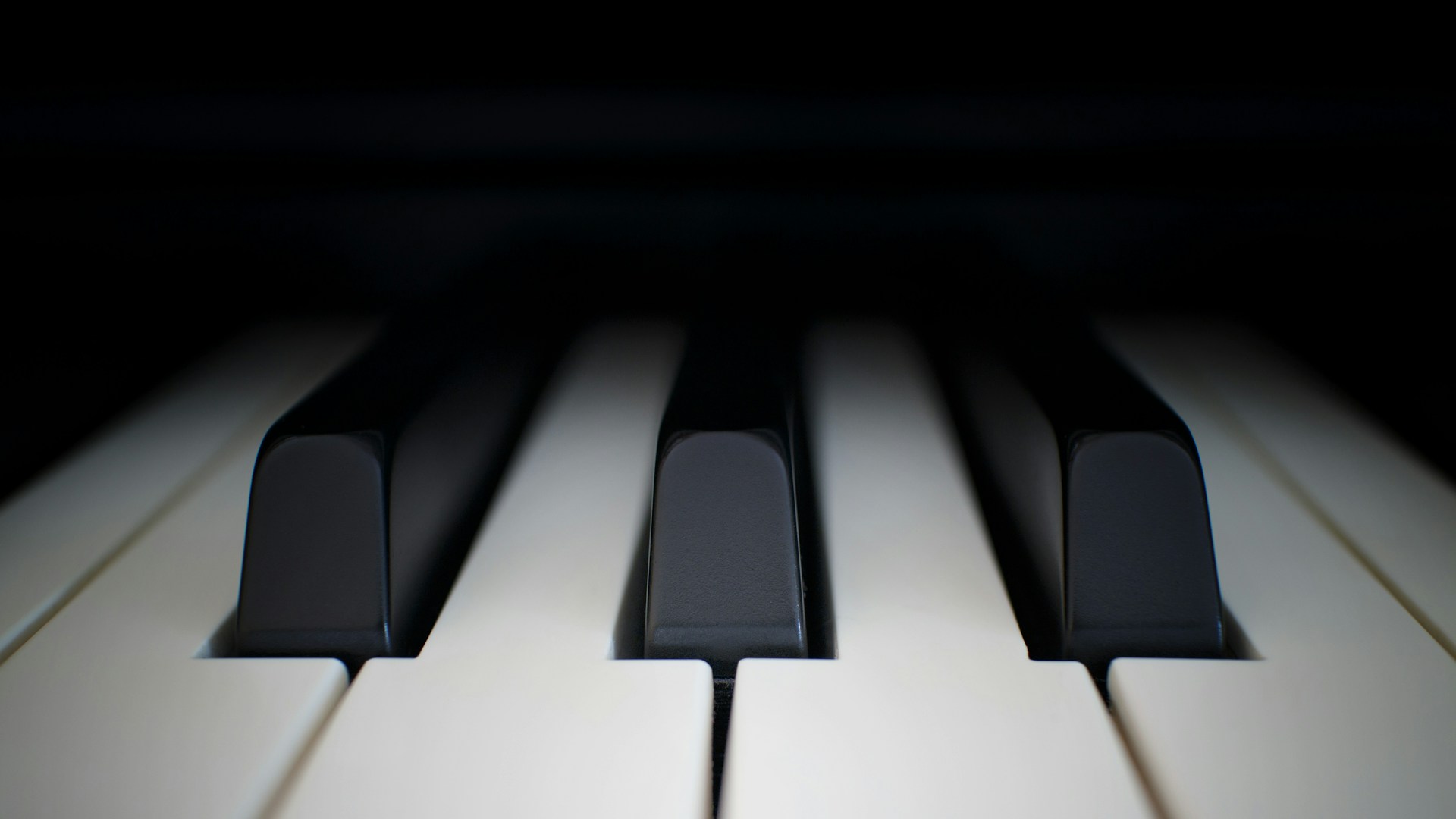
I had plans to meet with Bernice for lunch at noon. Standard hour for a standard meal with a standard lady, although she simply wasn’t. I spotted her sitting at the bar. A substantial woman in all the ways that mattered, Bernice wore a green sweater and tight jeans and the glowing embers of our old fire threatened me with combustion. I nipped into the gent’s, tamed my hair with a wet comb, unbuttoned my shirt a bit, and did a quick bump. Something was up. This morning on the phone her voice sounded like it had ten years ago when she was packing up her things to go to college, away from me. Excitement marred with melancholy. I needed to figure this out. I shot myself with finger guns in the mirror.
I talked and talked while she drank her gazpacho soup and cappuccino. Her eyes drifted all over the bar as if following cottonwood seeds roving over a field. Finally, I snapped my fingers and said, “Bernie. What’s the matter? What’s getting your goat?”
Bernice set down her coffee cup and turned to face me. I noticed she had no lipstick on. Her large lips the color of the rest of her face. This bothered me. Maybe she didn’t have enough blood or something. Was that something that could happen to a woman? I wagered no, they’re the same as men, maybe a little more blood to go around.
“I’m selling the piano,” she said.
I reeled back, slamming both palms on the bar, jostling my untouched plate of pork sliders, to which she tilted her head and frowned.
“Is that scoundrel Paul making this decision for you?” I asked.
Paul was her husband and was a scoundrel in the classic sense of the word: a man who takes from women, no morality to his genes or psyche. We’d been housemates in law school, where I observed how he could memorize entire lists of exam questions with one swooping glance only to squander his vast stretches of free time in volunteering programs he slimed himself into, such as the pro bono legal aid for immigrants project, the mental health crisis hotline, and the Methodist soup kitchen. Before you rush to Saint Paul’s defense, ask yourself, what do all of those have in common? I’ll make it easy for you: they’re populated mostly by women.
I’ll never forget the sticky summer day Bernice rolled into New Orleans to visit me in my second year of law school. I threw a huge party for her, all stops pulled and regulations damned. Weeks later, I gnashed my teeth thinking of that night—Paul shook her hand and then all but latched onto her hip dancing on the verandah, grinding in the muggy heat—but I have evolved and no longer dwell in the murky land of regrets.
“I wish you wouldn’t call him a scoundrel,” she said.
“He is making you then. I’d like to kick in his teeth. Will you let me do that? It would do us all a favor. Even him. He could finally get veneers to cover that disgusting snaggle.”
“Nick,” she said, a crack of smile in one corner of that huge mouth. “I’ve been accepted to the Conservatory.”
“Why, that’s great news,” I said, punching her on the shoulder. She winced and laughed. “Is it money you need? I have money.”
She shook her head. That would not be the deal. That, among many other strategies, would never be the deal. I had made my peace with this years ago. My peace is a tranquil field deep in my soul and it is drenched in flowers frothing with bees next to a clear lake with bullfrogs the size of softballs croaking all day in the shade of sweet-smelling blooming trees filled with twittering birds and—
“I have to get back to work,” Bernice said. I blinked. “You look tired. Are you sleeping at all these days?”
I shook my head. She looked at me with that gorgeous face twisted into its worst shape: pity. I hoped she would get hit by a slow-moving car on her way across the street. Just enough to tip her over, the cabbie honking and screaming out his window, her big round ass hitting a red road reflector as she goes down, purse spilling into traffic, everyone turning to stare, and she stares back at them, disapproving—
I let her kiss me on the cheek before returning to my office.
As the afternoon dragged on, I became increasingly agitated. Restless. I paced the laminate floor in a comforting rhythm, my thoughts on an old jazz tune, the memory of cicadas singing in the evening, and Bernice’s long wavy hair until my secretary startled me by snapping shut her laptop and muttering something about cat medication or picking up caterpillars or her son building a catapult. I waved her off. She snatched her purse and shut the glass door behind her. After another pick-me-up conducted behind the two man-high stacks of boxes containing an antique set of leather-bound law books I’d purchased months ago and had yet to decide on where to display, I called Paul knowing it could create more problems than alleviate.
“What’s this about the piano?” I demanded.
“All right, Nick, I’ll humor you. Mutual decision. She’s off to Paris for three years and I get to redecorate the living room. Win-win.”
“I’m sure you’ll be doing more than redecorating the living room while she’s gone.” My stomach roiled. I needed to take a shit.
“Probably. You should come over for a poker night. I’m going to start doing those again on Fridays. I’ve got at least ten other projects in mind. Her agreeing to the piano going poof means she won’t miss a lot of other damned clutter. I’m starting with the doll collection and—”
He kept talking but I was not listening, preoccupied with my memory of that Steinway grand in Bernice’s grandfather’s vacation home by the lake shaped like a spoon where we’d spent one glorious month consummating our high school romance. The instrument dominated the living room. Enormous alpine windows cast moonlight just so on the keys. She’d taken the rhythm part and I’d done the melody and we played jazz for hours, our thighs pressing together on the smooth bench stretching the limits of my anticipation before her family went to bed and we could sneak away. I’d been an overwound watch, running out of time before it had even passed, but Bernice plunked away at the lower keys, her face as placid as the summer air in the pines outside.
Paul was still yacking away while I thumbed through my mental contact list for the appropriate person who could execute the maneuver I was sketching out. Sweat ran down my left temple and I ended the call with him mid-sentence.
While I befouled the john at the other end of the office building, I arranged for a former client who owed me a favor to purchase Bernice’s piano with cash under a false name, just to be triply safe, and by the end of the week I had it delivered to my little brownstone. I got rid of my dining set to make room and I ate my meals standing over the kitchen sink. Upon its shiny lid I piled my work papers and junk mail. I moved my television into the bedroom where its blue glow infused my insomnia with a surreal flavor. I no longer invited people back to my place. I ignored all of Paul’s invitations to play poker, go to trivia nights, or join pickup basketball games. I imagined Bernice, now thousands of miles from him, leaning out of a narrow Parisian window to greet the sunrise. She removes her wedding ring to apply moisturizer to her face and never puts it back on again.
I started chasing sleeping pills with cheap beer, and this worked in some ways, though often the morning found me naked on the rug under the piano. At some undefined point, the bench had toppled over, or maybe I kicked it, and the rear wall window overlooking the back garden cracked. One night I must have ordered five dozen songbooks and was surprised by their arrival at my door. I stacked them in neat piles on top of the grand and thought about the future: I could wrap a comically large red bow around the monolith and give it back to her when she returned. Or maybe install it in a seaside cottage I’d been eyeing and ask her to come away with me, though I was banging my shins and hips stumbling around the beast so often at night I considered dismantling it with an axe and anonymously mailing her the keys.
One morning, from my position on the floor under the piano, I spotted a snail sliming its way up the broken window. I remembered Bernice in her crimson bikini emerging from the spoon-shaped lake. She had a few leeches on her smooth legs, but she wasn’t the one who screamed. I watched, twisted between revulsion and fascination, as she sat on the sunny dock and let them finish feeding, whereupon one by one they dropped back into the water.

