

DO YOU KNOW WHY YOU’RE HERE?
In a big grey factory at the edge of town, the clones are euthanized. They do it in shifts. Three clones every fifteen minutes, 84 clones a day. Alex tries to make it as easy and painless as possible. He even wrote up a handbook with chapters on How to Prepare the Injection Site and The Afterlife of Robotics. Because he doesn’t want to seem like a disinterested boss, one of those jerks who play simulated golf in his office and take three-hour lunches and use words like circle back and “ow-hanging fruit. Alex works on the factory floor two days a week.
He can’t stand being there but it’s necessary to boost morale. Actually, the clones freak him out. They look so human with their eyeballs and skin and the hair that’s been donated.
You’re not real, he thinks. And one of the clones who’s been programmed to read minds and be funny would say, No, you’re not real. Alex would have to touch his own face, pinch his arm, think of a painful memory—his college girlfriend dumping him, his mother’s untimely death—to prove the clone wrong.
The worst part is how alive the clones are on delivery. Alex always reads the euthanasia orders carefully, to see exactly why each of them is being eliminated. Sometimes, it’s a faulty part that comes from China and can’t be replaced. Other times, the clone has gotten so old it’s unable to perform its duties anymore. Occasionally, a clone will be labeled an upstart or troublemaker, forgetting it’s a machine and therefore inferior.
One lazy summer afternoon when Alex is wishing he could sneak out for a quick round of non-virtual golf, he unpacks a clone that bears a disconcerting resemblance to his twin brother, Dylan. They’re fraternal twins. Maybe not as close as identical ones but close enough to share secrets and memories and a love of In-N-Out Burger’s Double-Double Cheeseburger. Dylan disappeared 14 months earlier, without leaving a note. Alex had been frightened at first. But the police told him there was no sign of foul play and fear quickly turned to anger that his brother could abandon him so easily.
Hello, the clone says.
Alex wishes the companies shipping the clones would deactivate their voices first.
Hello, Alex answers politely. Please take a seat.
The clone has the same playful voice as Dylan. The same almond-colored eyes. The same angular face. The same mole by his ear. The same scar on his knee from when he jumped off a pier into Donner Lake and hit a rock. Dylan has always been the adventurous one while Alex is more cautious.
The clone climbs out of the box gingerly and sits in the one available chair, equipped with restraints that are rarely needed.
The packing slip indicates his name is David and he’d been employed as a houseboy/sexual companion for some woman in the Valley. There’s no reason given for the impending dismantling.
Do you know why you’re here? Alex says.
Tune-up, says the clone who isn’t Dylan.
This is what clones are told. It makes things easier.
Alex takes hold of the clone’s hand. His own fingers are cold and clammy, his heart jumping like there’s a frog in his chest.
Do you know me? Alex asks.
The clone stares at him and Alex thinks of the time he broke his father’s favorite mug and his father went for the belt and Dylan said he’d done it.
No.
But then his brain would have been tampered with, the Before part erased.
They’re in a room off the factory floor, where the destroying takes place. More private that way. Outside the door, he hears the bustle of trucks dropping off fresh cargo, machines loading them on conveyor belts, men laughing and talking.
On the table next to the chair is the Death Kit that has been prepared in advance by a technician. Syringe. Stack of gauze. Pink fluid. Timer. There’s also a black satin mask if the clone happens to be skittish. In that case, the handbook instructs, tell the subject they’re going to be taking a brief, restful nap. Offer them a cup of apple juice and a sleep mask.
This clone is calm as Donner Lake on a windless day. But then Dylan was always self-possessed. One minute younger than Alex. Wild and free-spirited, though underneath he had his head screwed on straight.
Alex thinks about putting his brother/clone back in the packing box and taking him home in the company van. Sometimes it happens. Workers fall in love with a clone or have a savior complex. The crime is highly illegal, punishable by a hefty fine and ten to twelve years in state prison.
He thinks about the time Donna LaFroscia broke up with him in high school and he’d gone to the roof with the intention of hurling himself off and Dylan found him up there and they shared a bottle of Jack Daniels and Dylan said, if she doesn’t see how great you are, she’s not the love of your life.
The time he and Dylan took a road trip to Mexico and ended up sleeping on the beach, under the stars, and when they woke up a heron was in the dune grass right next to them and it wasn’t even scared.
All the times he spilled his fears, knowing Dylan would never tell.
Memories strung together, like beads on a necklace he’ll never get to wear.
Dylan’s skin is so real, with tiny hairs and veins underneath.
Dylan, are you in there?
His brother gazes up at him expectantly and Alex begins to weep, the tears falling quietly onto Dylan’s face, silent as the grave.
ON OUR MURDER WALKS
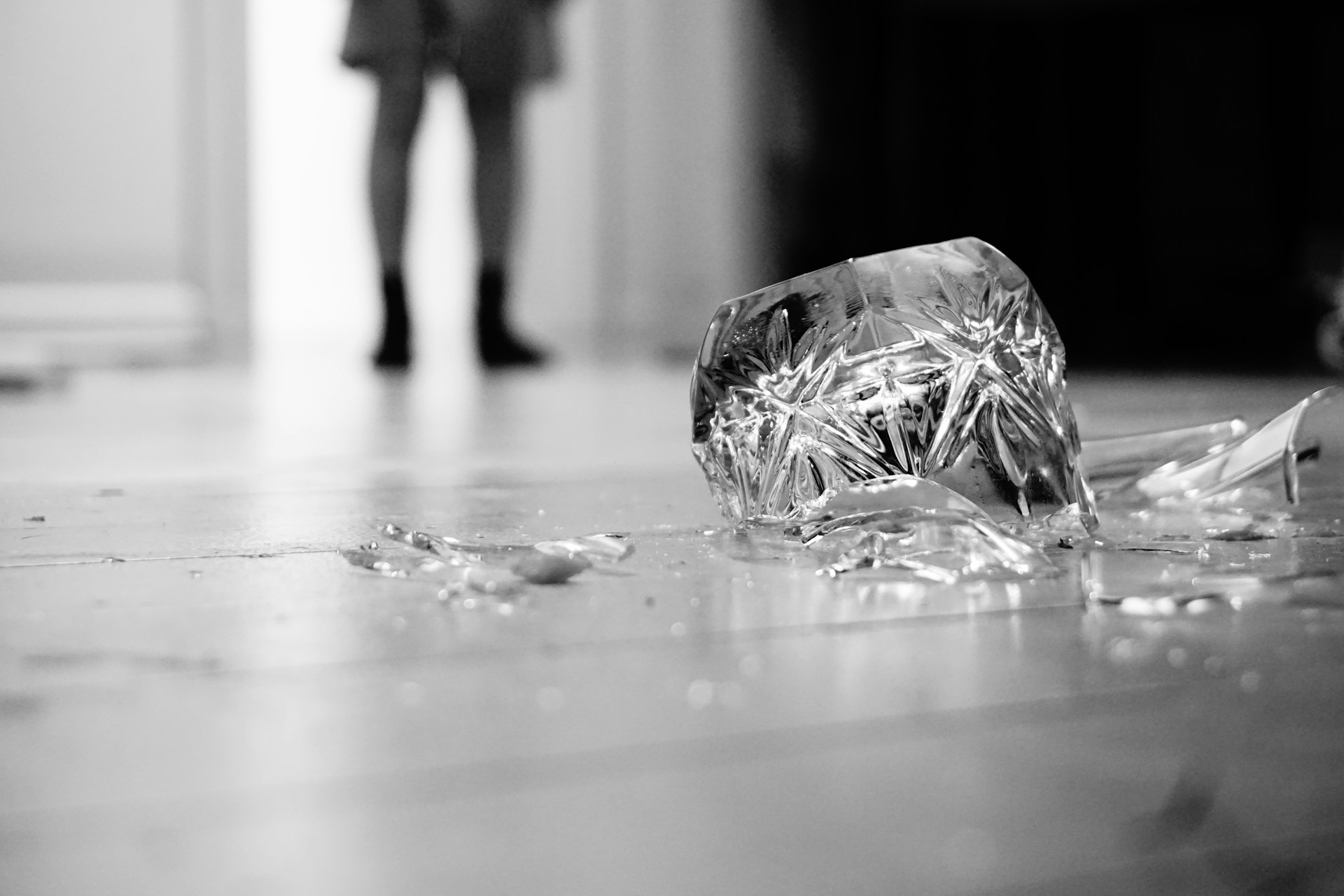
we visit the homes of people who’ve behaved badly and gotten caught, like the guy on Derby Avenue, who dressed up in a suit of armor and started hacking his neighbors’ tires with an axe before the police arrived and shot him dead or the man on Cedrus Street who in a fit of road rage smashed the windshield of a stranger he thought had cut him off at a light and got bludgeoned to death with a tire iron or the woman who’d lived with her late parents on Monsey Boulevard, and when her brother and sister decided to sell the house, a run-down ranch with a carport, she walked into the family room with a six inch shotgun she’d bought legally at Walmart and blew their heads off, which happened a mere 10 miles from our house because that’s the rule, these incidents have to take place nearby and when we saunter in front of these houses, which look so ordinary and harmless it’s laughable, we try to spot clues, anything that would reveal the rage lurking underneath, but there’s only some cherry trees, basketball hoops, mowed lawns, SUVs parked in the driveway, garbage cans at the curb, and we know we shouldn’t judge these absent strangers, fallen angels en route to hell, but at the same time we have to wonder if what set them off is catching, if someday soon, one of us will break a glass or forget to buy milk, some small transgression—a dropped stitch, a careless word—that will lead to the splicing of our own angry hearts.

