

Winter, ’86. Dad north for months, Mom at home. Freezer stocked with claws and legs, crab paraphernalia on the walls, lanky snow-bug knick-knacks on the mantelpiece, a big Dungeness embleming the Little League pullover still powdered with last summer’s dust. No dust on the day Nils Nilsson’s childhood ended; it was pouring as he walked 24th toward Aadlan’s General Store on Market Street in the Scandinavian heel of the Seattle, his shoulders hunched beneath the rain like some deckhand Swede out to pasture. At the corner of 75th by Olo’s Bakery, the plugged gutter caused a puddle, if not a pond. Nils was too old for colorful rubber boots but still too young for prudence. Converse All-Stars, he jumped in, and again, and again, shoes near invisible beneath the sedimental mess.
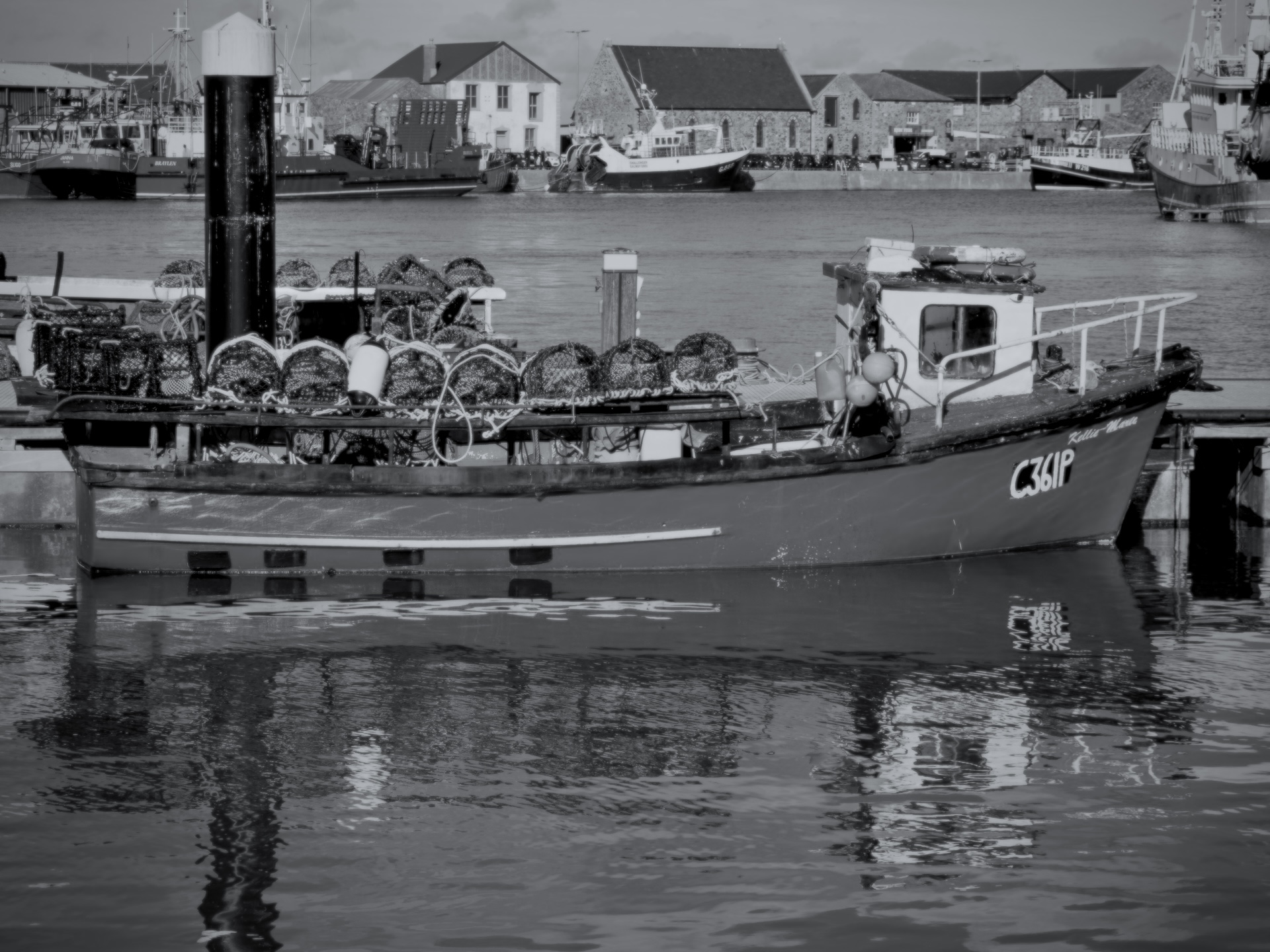
Late summers on the blackberry-choked bluff overlooking Shilshole Bay, Nils would stand on a bench and watch the crabhounds of the North Pacific fleet glide north toward the fecund Alaskan waters bordering those of the Soviets. His father’s broad-bowed ship—the Cold Duck—was blue with yellow trim, like the feckless Seattle Mariners in their nearby dome of kings, whose baseball games they would catch mid-summer when the Duck was dry-docked off Leary. In low tides, Nils and the boys would go to Carkeek and find stranded crabs pitted beneath the sand. Nils would taunt them with driftwood sticks while their claws stretched into the air, less threatening than comical, like children reaching for a parent to pick them up.
Meanwhile, Dad on the dry sand against the boulder wall guarding the train tracks. Dad drinking a Rainier. Dad at the water’s edge, skipping rocks. Dad swimming to the eelgrass and back, Nils following. When a train caromed by, from shore they would wave and sometimes a hand would emerge from the orange-clad BNSF and wave back. Occasionally they’d even get a horn blast that would slap and echo off that summer water filled with pleasure crafts of all kinds and sportfisherfolk trying to set their hooks into the black mouths of Chinooks. Once, Dad smiled and said he only fished for sport if money was involved; a job like his—involving both—was the ticket, regardless of the danger.
All-Stars soaked, Nils glanced up to see Mother pull over in her faux-wood paneled station wagon. Get in. Tan vinyl seats, ribbed. Seatbelts, never used. They drove down toward Leary and she didn’t say a thing. The expression on her face was new. Nils thought the worst: he was in trouble and being taken to a talking to from Dad, except Dad was out somewhere in the Bering Sea after spiders. Reading maps, playing cards, dodging rogues, axing ice, tossing pots, another Thanksgiving aboard the Duck. But maybe he’d stopped at port to make a long-distance call.
They parked outside the building on Leary. Through the front door, white walls, white popcorn ceiling, white panel lights, worn brown carpeting. To avoid the mess, Mom made Nils take off his soaked shoes and socks and walk barefoot like a penitent down the hallway, past catch regulations and rules of maritime safety.
In the office, big bald Karl sat at his desk and gestured for Nils to sit in the wooden chair—varnish thinner and lighter in the seat and armrests—directly across from him. Mom stood to the side, leaning against the wall, arms crossed. Her face was white as the inside of a shell, no flush. She looked down at her hands and played with the wedding ring on her finger.
“Your mom thought it best you hear it straight from me,” Carl said.
It didn’t really sink in until spring, even with the funeral, because Dad was always gone until then anyway. Nils stood in the rain on the bench at the blackberry-edged park, new shoots of green bursting from everything, watching the crabhounds return through binoculars. He recognized most of the boats, knew their names, their captains—Dad’s friends. He kept returning to the horizon. Maybe a mistake had been made and the Cold Duck would appear across from Jefferson Head. The casket was empty, after all.
At six, still raining, sky gray as sand, he walked Leary along the shipyards. Stacks of rusty pots, boats up on stands, messy gravel parking lots, corrugated steel siding, barbed wire fencing. He owned no umbrella because Dad used to say they were for the Californians. Nils passed puddles, but none were big enough to demand his attention. None could hold a crab, much less a ship. His mind was somewhere out past Jefferson Head, in the Bering Sea, where the Cold Duck rested deep with Dad inside, under the waters where Nils still hoped he’d one day work. Everyone dies, Dad once said, but some ways to die were better than others. A grave requires us to dig, but the sea welcomes us with an embrace, like how a father might a son.

