

Most other children went away for the summer to grandparents in the village or to cousins in the hills. My summers were always at home, which made me wish for a sibling who could share my boredom or help me with the essay about “What I Learned on My Summer Vacation.” I wasn’t sure what I’d learned, but I’d made some strange discoveries: monkeys are sneaky avengers, you tease them once, stick your tongue out, and later they’re already a roof away; ants live in dripping faucets and behind damp plaster; that my mother keeps everything—boxes of “just in case” junk: participation trophies, keys from our last rented house, even spare bullets from my father’s pistol. Also, that my father might have a drinking problem; that one I didn’t mind.
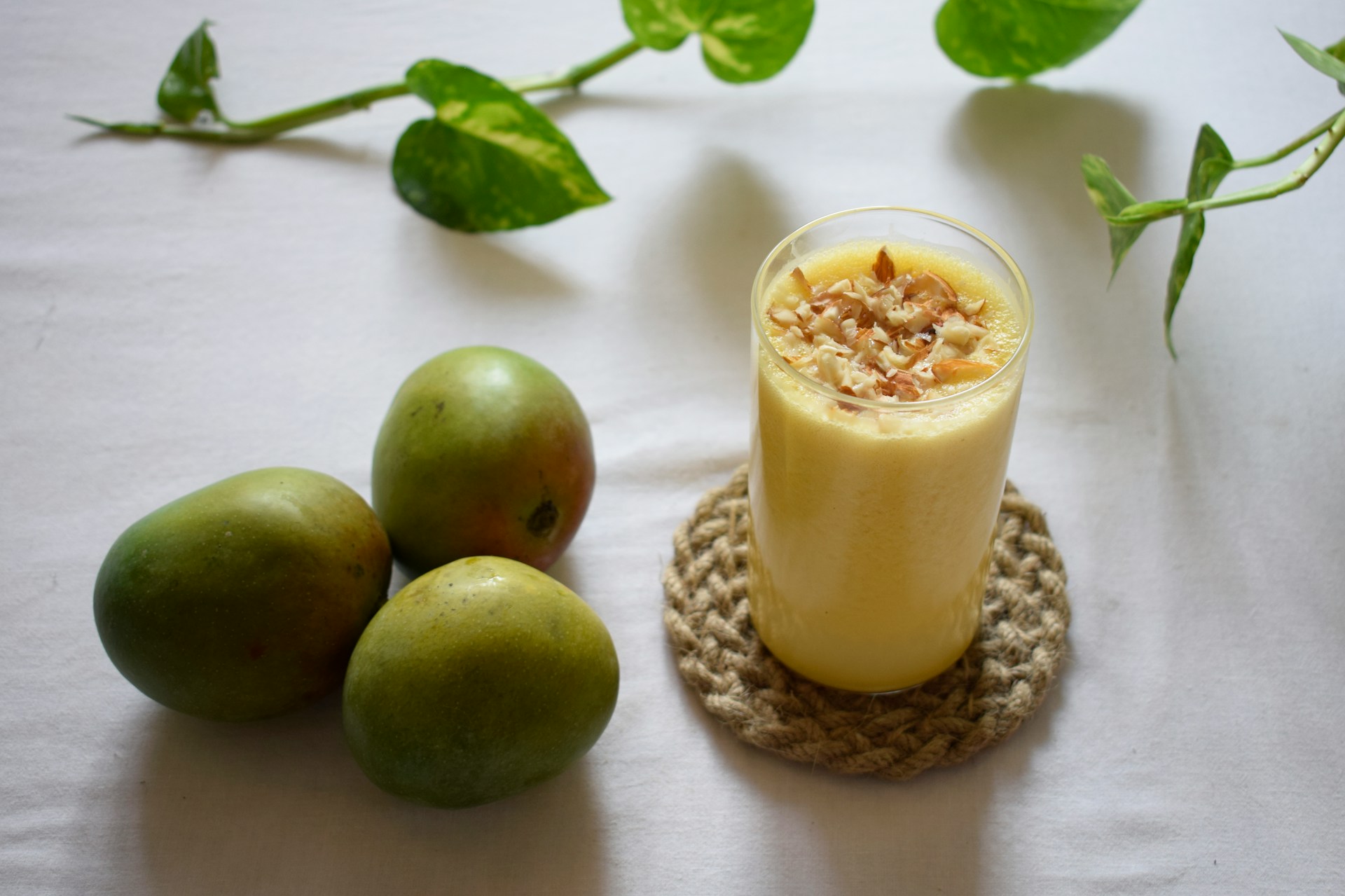
One Sunday, my mother was called in to care for her mother, who had fallen and broken her leg. “When there’s a problem, they need the daughter,” she said, cursing her useless brother as the blender drowned her words. Mango shake with crushed Chocos cereal on top, another point for the essay.
The excitement of being alone died quickly when I couldn’t find any spare coins to steal, only more junk I had no memory of, but, as my mother always said, might be useful later: a one-eyed doll, old report cards, useless things.
I waited for my father and hoped he’d be drunk, so I could get something from him without my mother catching on to it. I liked him when he was a little drunk. He was generous then, giving me whatever I asked for, laughing, calling me all sorts of names. I knew drinking was bad, though I didn’t understand why—only that it was like doing something wrong, like stealing or lying, no matter how fun it was. My mother would scream at him, and the next day she’d ignore him, not even cook for him sometimes. Other nights, she’d sit beside him and scribble on his palm, whispering secrets or lullabies until he fell asleep.
“Please be drunk. I need ice cream, some money, a Disney pouch,” I whispered, pacing the stairs, up and down, while monstrous flies circled the lamp below.
His voice reached before he did.
“My good beta.” He reached for me, shifting side to side. I asked for ice cream first. He laughed and said, “Anything for my daughter.” He smelled like rotten fruit and cough syrup. Then I pushed for some pocket money; I’d planned to make him forget it the next day.
He asked if anyone had bothered me. “I’ll beat their asses,” he said. “I’ll burn their worlds.” His usual drunk promises. Then the cable boy came asking about the bill I’d forgotten to give my mother. My father blinked, then his face hardened. “How dare you trouble my daughter about a bill?” he roared. He liked to be the rich villain in films, throwing money at problems. The boy shrank; my father’s uniform made people small.
I tugged him up the narrow stairs and explained I’d only misplaced the bill. He gripped my hand so tight it left a rope in my palm. “No one can bother my daughter. Not my mother, not those people. No one, you hear?” he said.
“Yes, yes,” I said. I thought of my grandmother, who always said a boy would have been better than me, someone who could pull my father up the stairs when he staggered, maybe even shove him back when he lurched like this. Boys were bullies, like my cousin who broke every toy, or the ones in class who tripped me and laughed.
I had finished his share of mango shake too. So, I asked him if I could heat his dinner.
He reached for my hand again and squeezed. “You don’t belong in the kitchen,” he said, then pointed at the ceiling. “You belong up there.” His finger followed the drip from the ceiling—tap, tap, tap—and we giggled like sisters in a rain dance.

