

I’ve brought craft scissors to your funeral—the blunt ones you left in my room. I rinsed them with distilled water, followed by a tap-water wash, then a few squirts of distilled water again. My brown hands are pasty white, the latex gloves cling to the skin like drenched tissue. I’m not wearing safety goggles. Mom said they’d be overkill, and, for once, I agreed.
The killing was over. It had left your body behind.
The polished wood of your casket glows under the stingy sunlight sifting through stained-glass windows. It’s dressed in yellow honeysuckle, white baby’s breath, and noxious hemlock—their hues quarreling to eclipse your ghostly purple face.
I pluck a hemlock and study it related to your waxy skin. I wonder if I should flag someone down and warn them of its virulence, but my brain can’t seem to bridge its synapses. The neurochemical just won’t bind with the receptor, and I don’t have enough oxytocin in my veins to care if someone dies of hemlock ingestion.
I think my brain is doing me a favor, but that’s me being poetic again. The brain is me; I am the brain; we are not separate entities. When your mom clutches her heart as she sobs, I ask her to clutch her head instead. We don’t love with our hearts, I tell her. The heart is an involuntary muscle; it will pump through agony and elation. The heart doesn’t care—it’s not its job to.
Your mom is unimpressed by my presence. It doesn’t come as a surprise to me. I’ve been visiting your house every day for a fortnight, ever since they pulled your swollen body out of the green lake and placed you on a metal bed to decide what to do with this… creature they’d fished out. You were stripped of your name, turned into an orphaned lake monster—a Loch Ness monster of sorts. Your new name is body. Your new home will be an urn.
My persistent visits to your home have been my futile attempts to talk your family out of giving you to the fire. I showed your mom my hypertrophic scars—those purple bumps on fibrous skin un-mended by even the most bullish keratinocytes. I told her how you always pushed me in front of the flames in the chemistry lab, laughing when the Bunsen burner licked at my skin, apologizing on your knees when the burn hurt more than expected. You’d smear Neosporin on the red skin with trembling hands, eyes welling with guilty tears, and I’d relish your soft touch, pain forgotten.
I have your scars, I said to your mom. Your son owes me a debt. It must be repaid. And what I didn’t say: Let me wear his skin. Let me take his fingers, his nails, his palms. I’ll make you a new son with it.
Your mom insists: family has precedence over the decision to burn or bury. So I explained to her how we all come from FUCA—the First Universal Common Ancestor. I’m no less you than they are; we’re intertwined by carbon, hydrogen, and oxygen, looping through our bodies with Van der Waals forces and ionic bonds strung within crystal lattices. I’m not your mother, sister, or daughter. I’m what remains after the jaundiced surface of blood and creed is effaced: an ancient creature born in water, traces in the twisted ladder of your genes that tell us the universe is often a serendipity, scarce a providence. If they burn you, they’ll be spitting on billions of years of evolution. If they burn you, they’ll turn you into nothing again.
Your mom insists the body is merely a vessel to the soul, that if I believe in the right god, I’ll meet you again. But your family’s heaven is segregated. It’s a place where we will have to crane our necks to look at each other—you elevated in the frothy skies, me walking the barren ground, our white and brown skins distending in a peculiar liminality.
I’ve told your mom I won’t have you like this.
I am a woman of science—of atoms and quarks that toil to keep me conscious, to keep me me. I will have you in my bones, not in fables and whispered prayers.
That’s why I’ve brought scissors for you, not flowers.
My experiment with you is unorthodox, sure, but that’s the way of science; it is often crueler than it seems. That’s why we wear white coats and buy prime-quality bleach.
Still, I’m your friend before I’m a scientist. I don’t reach for your hair at once. I allow my gloved fingers to float over your violet face, mapping memories in my amygdala: your button nose pinched between my pudgy fingers. Mouth—a grin, a sneer, a frown—kissed by every girl at school but me. Golden hair haloed by crackling firelight; a reverie of heaven and hell brushed away by my hands.
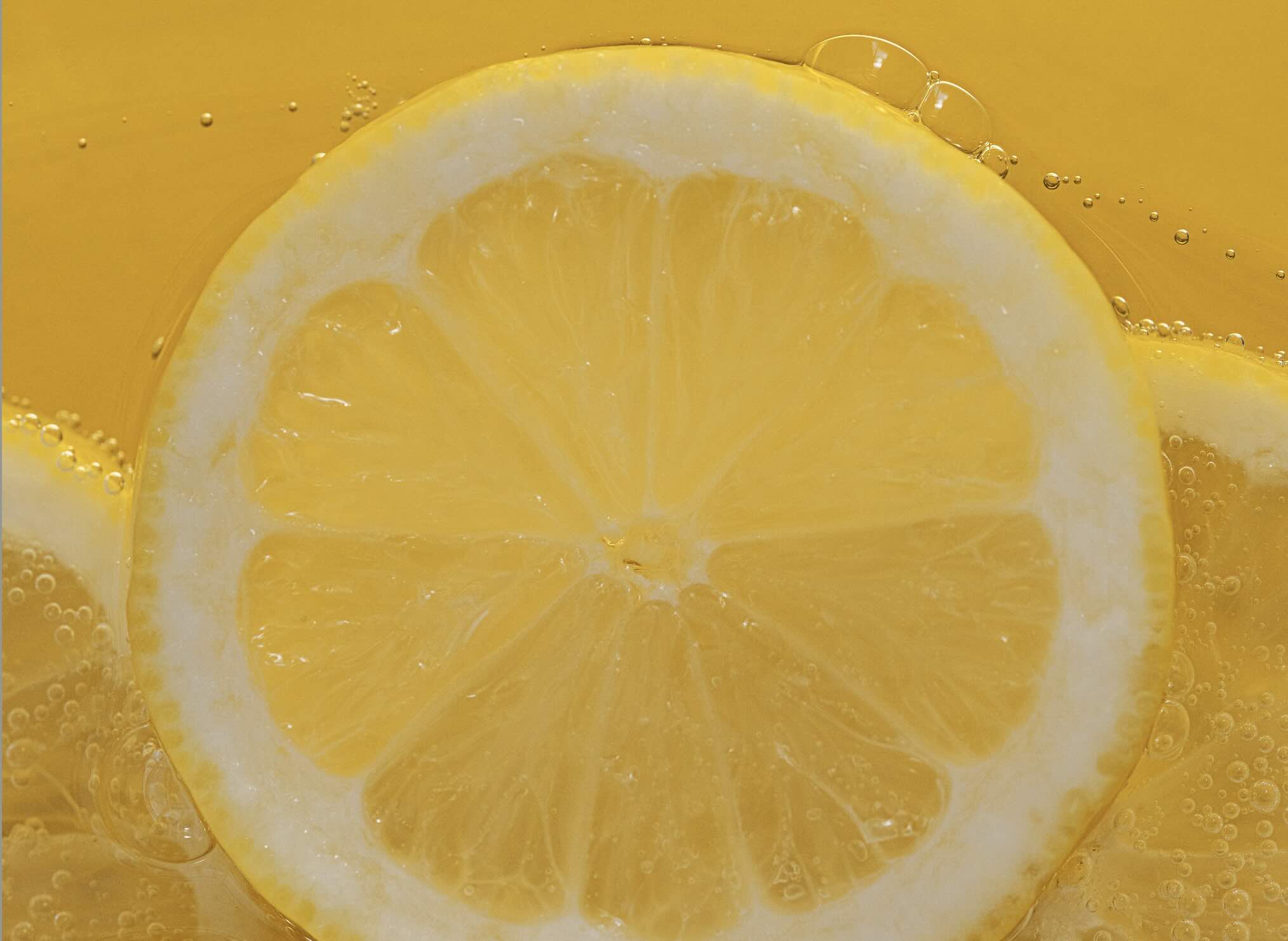
A thought crosses a synapse, firing an electric impulse that ripens my taste buds: I should eat you. We should all eat you. We should bury you bare in a shallow grave and plant a seed in the fine soil. It should be the seed of a fruiting tree—lemon, if possible; mango would do too. We should water you and tend to you like gardeners. When you soar into a tree and bear fruit, we should eat it and taste your sweetness on our bitter, blasphemous tongues. We should make you one with us—protein, carbohydrates, fat: the things that made you would now make us.
A gasp inflates my lungs, the abrupt asphyxiation flooding my eyes with a burning moisture that tells me: I have work to do.
I straighten my aching back before avulsing two strands from your waxed hair, clumped together like dried sap, slipping them into a plastic bag. I use the scissors to cut the bangs off your forehead and let them join the strands. I sequester the bag of your pilfered remains in my pocket.
My autopsy has concluded; I should leave, but I stay, fighting the urge to kiss your embalmed forehead. It’ll be cold and waxy, and I won’t wash my lips ever again. Plucking the remaining hemlock, I tuck it into your hairline, trying to hide the places I’ve desecrated.
I step off the platform with my legs trembling. The bones beneath my left breast pound to the sound of your mom’s wails. She is still clutching her heart.
I let her be this time.
My dad gave me eighty dollars for new textbooks. I used it to dig your grave.
Half the money was drained by bone meal and citrus fertilizer, half by coco peat and a soil pH test kit. The lemon tree seed itself cost only a few cents.
Two hollow graves embellished my garden; I interred your hair in one, the other I kept desolate as a control. Mom tumbled down into the control when she was turning off the porch lights a few nights ago; her patella fractured, and she couldn’t walk for a week. I can’t say I was remorseful—I needed the garden untouched by men and women of God while you grew.
Your mom came over to see my mom. They talked about everything but you—unless they counted your ashes as you. Your family disgorged the silver ashes into the same green lake they’d found you in. I don’t know what sentiment haunted them to do so. The lake is dammed. They’ve trapped you in the water you floundered in, the one that wouldn’t afford you a lungful of breath. This soul of yours your mother spoke so fondly about, if it exists, it haunts the water molecules perennially. You are the nameless, homeless ward of a dammed lake, a nothingness that weighs heavy on my chest.
On her way out, your mom noticed my work in the garden. She asked if I was alright, running her hands through my matted hair, and I closed my eyes, trying to feel you in her calloused hands. I could abandon it all if I could feel you in her: the percolate-encrusted fingernails would finally be washed, the matted hair would be brushed down into the braid you liked to flick around, and the garden would be razed to the ground to build an altar to worship your mom’s hands.
Alas, your mom’s touch was just that: your mom’s touch.
I opened my eyes to her tear-stained face. I’m going to make it all right, I told her. She left me with a prayer for my soul.
The lemon tree has taken hold in the soil, inches above your hair. It’s sprouting fast—faster than when you first hit puberty—looming over me like a church steeple. The tree is not a steeple. It is a canopy, a cupola of variegated leaves adorned by green, unripe lemons. I dug a hole posterior to the tree to observe how deep the roots had reached, and, just as I had predicted, I found them embedded in thick, wet mud.
The riverbed was fueling them. It was bringing your fragmented bones and pulverized teeth to your new self in the tree. I’d set your hypothesized soul free.
It was weeks before the first true lemon ripened in the tree. I’d been camping in my garden for months, half feral, barely human, when I saw it. I didn’t put my gloves on while handling it. I didn’t even secure it in a plastic bag. I snapped the lemon straight off the bough with a tug that catapulted me into the control grave. I think my femur cracked—or it could be my tibia—making my left leg jut inward. I crawled out with one hand and one leg, coughing out coco peat and bone meal. There were stars in the early morning sky—blue, black, purple, small mirages in my vision that showed me your crooked grin. Your grin spoke in fractured tenses: god, scientist, monster, water, fire, love, me, you, you, you, you, you.
I followed your voice like a maudlin snail across the porch to the kitchen, where my mom flung her prayer mat at me, screaming and scrambling to get Dad. I glanced back. I was leaving a slime of sweat and saliva on the tiles.
I kept crawling.
In the kitchen, I stretched my arm to pick a glass off the table. One shattered; the other landed safely in my palm. My legs spasmed, a searing pain barreling through my nerve cells. The adrenaline kept the true pain at bay—the one that’d come if all this failed. The pain of a failed scientist, of a failed lover, of a failed believer.
I lay on my ribs as I cut through the lemon with a glass shard, its pale nectar meandering down my wrists. I squeezed each half into the glass. Lemon seeds swam in the murky white liquid, floundering, flailing, breathing. I drank it all in one go, letting the juice seep into my gums, into my gut, into my cells—to rejuvenate me, to recreate me, to replenish me.
To be me.
My mouth tried to find you in the tangy flavor of the lemonade. I flicked my tongue over my gums, but it was all lemonade. I gritted my teeth, grinding the seeds left behind in my mouth. They tasted bitter, leaving an aftertaste that smelled of your strawberry shampoo.
The crushed seeds stirred in my stomach. I pushed them down to my empty womb with gritty palms. Something scratched my tissues, something that felt like my name on your lips, something that transcended serendipity and providence.
I let it take root inside me.

